
Navigate Austrian highways and alpine corridors with confidence
VigneteRey provides independent route planning, toll framework clarifications, and mountain corridor intelligence for motorists driving across Austria. From German border crossings near Salzburg to the Brenner corridor toward Italy, we outline transit regulations, seasonal pass accessibility, and toll verification so you avoid costly roadside oversights.
Maintained under federal ASFINAG operations across all nine federal provinces.
High-investment mountain routes requiring dedicated passage fees beyond vignettes.
Default Autobahn speed, reduced dynamically to 100 km/h in designated IG-L clean-air zones.
Mandatory M+S / 3PMSF radial tires with minimum 4mm tread under wintry conditions.
Independent route navigation for Austrian transit
Driving across Austria places unique demands on international motorists, from mandatory electronic registration to rapid weather changes at elevation. Our portal operates as a fully independent navigational resource based at Kärntner Straße 12 in Vienna. We do not sell official toll stickers or state road permits directly; instead, we analyze official road standards, regional transit bylaws, and highway updates from ASFINAG and provincial transport boards.
That structural separation is essential. By maintaining total editorial independence from fee-collecting bodies, we can candidly assess toll plaza queues, evaluate detour viability during peak holiday waves, and detail real operational costs without commercial influence. Whether you are navigating seasonal mountain pass openings or reviewing electronic registration timelines, our technical route notes keep you compliant and prepared.
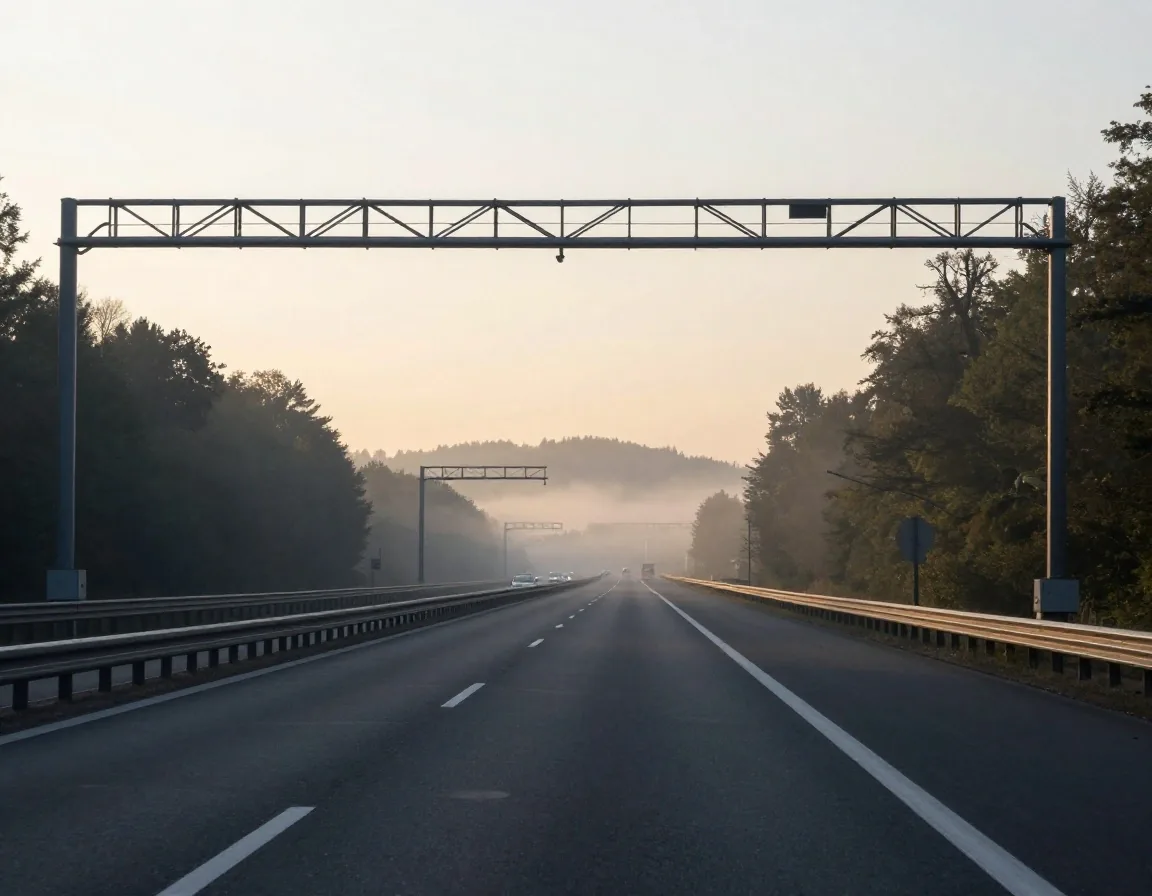
Major transit corridors across the Eastern Alps
The Westautobahn Spine
The primary east-west lifeline connects Vienna past St. Pölten and Linz to Salzburg, linking directly into the German Autobahn A8 near Walserberg. Heavy commercial logistics and high-capacity multi-lane driving define this low-gradient route.
The Tauern Mountain Artery
Drivers crossing from Bavaria toward the Adriatic follow the A10 across the Central Alps through monumental tunnels including the Tauern and Katschberg engineering works. Elevation shifts and tunnel metering require careful pacing.
Inntal & Brenner Pass Highway
Linking Munich with Bolzano and Verona, the Inntal and Brenner highways form the busiest transalpine freight and tourism artery. Subject to IG-L environmental speed limits and year-round Alpine mountain weather management.
Toll framework fundamentals for passenger cars
Every motor vehicle up to 3.5 tonnes gross vehicle weight must comply with Austria's toll framework before joining any Autobahn or Schnellstraße. Motorists choose between traditional physical adhesive vignettes affixed to the inside windshield and digital vignettes linked directly to the vehicle registration number.
Both formats follow identical validity periods: 1 day, 10 days, 2 months, or 1 full year. Failure to possess a valid registration before setting wheels onto a monitored highway triggers automated overhead camera captures and mandatory substitute toll penalties issued by enforcement patrols.
Section tolls independent of standard vignettes
Streckenmaut Corridors • Standalone Toll ClearancePurchasing an Austrian vignette does not grant universal clearance across every alpine motorway section. Five specific highway stretches, known as Streckenmaut or special toll sections, require separate transit fees to cover extreme construction and ongoing maintenance costs.
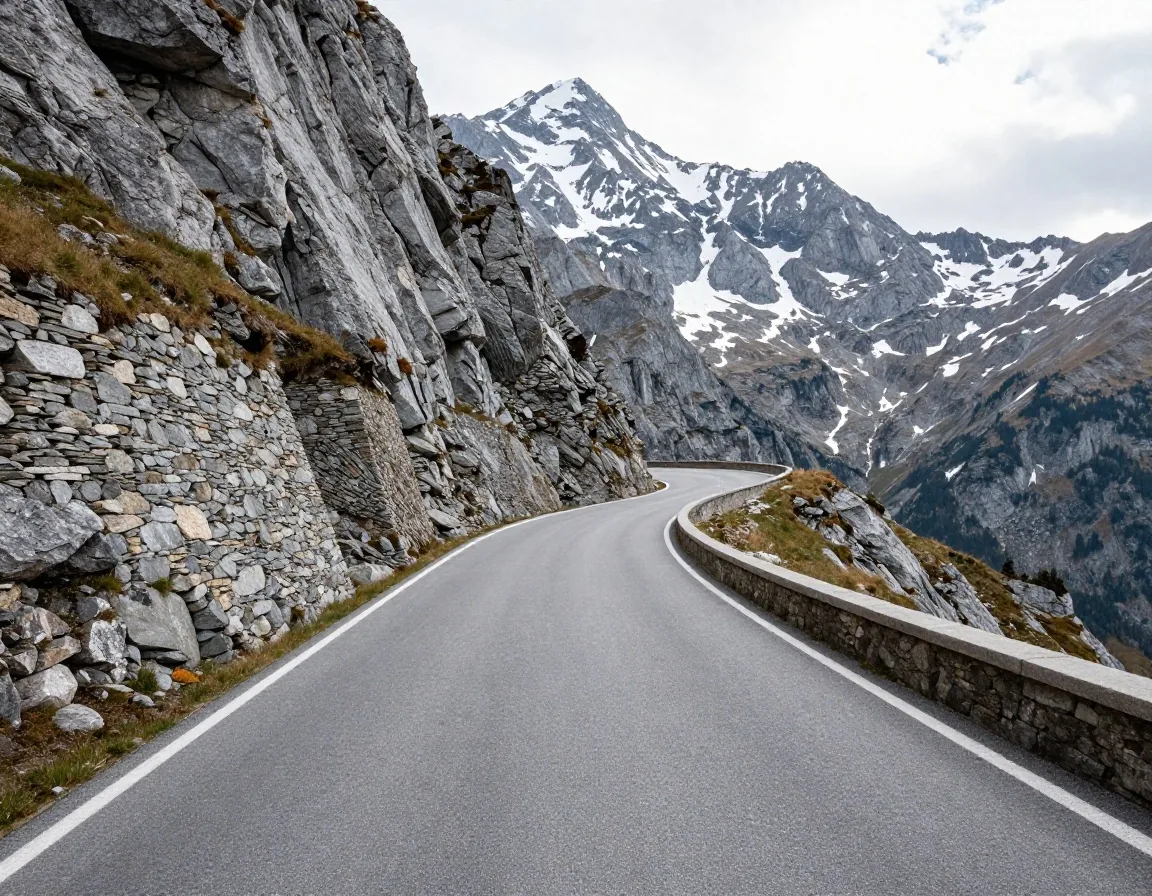
High alpine passes versus low-altitude bypasses
When winter storms or heavy summer vacation traffic strain the primary highway tunnels, regional passes present both opportunities and severe mechanical demands. Routes such as the Grossglockner High Alpine Road, the Timmelsjoch, and the Silvretta High Alpine Road offer unforgettable driving scenery between May and October.
However, these mountain roads reach elevations exceeding 2,000 meters above sea level, involving steep grades up to twelve percent, hairpin switchbacks, and cold-weather hazards that demand sound brakes, engine cooling, and attentive low-gear driving habits.
Seasonal pass closures and elevation thresholds
Alpine passes do not follow calendar dates alone; opening schedules depend entirely on snow accumulation, melt rates, and avalanche hazard assessments. While the Grossglockner closes from late October through early May, the Brenner Pass Autobahn corridor at 1,374 meters operates year-round under federal road maintenance protocols.
Winter equipment mandate and legal compliance
Austrian federal law mandates winter tires on passenger cars between November 1 and April 15 whenever winter conditions prevail on the roadway. This situation-based regulation legally obliges drivers to use M+S or 3PMSF-marked tires with at least four millimeters of remaining tread depth on radial tires. Fitting summer tires during winter conditions carries severe roadside fines and can invalidate vehicle insurance.
Snow chain carrying requirements and technical mounting
Certain steep mountain approaches, marked by round blue signs displaying a chained wheel symbol, require tire chains on drive wheels regardless of tire compound quality. Drivers heading toward ski corridors in the Arlberg, Montafon, or Zillertal regions must carry appropriately sized chains in the vehicle trunk before entering mountain passes.
Emergency corridor formation rules on dual carriageways
Austria strictly enforces the Rettungsgasse, an emergency corridor protocol that drivers must establish as soon as traffic begins to slow down on motorways and expressways.
- Two-lane roadways: Left lane moves far left; right lane moves far right, utilizing the hard shoulder if necessary.
- Three-lane motorways: Far left lane moves left; center and right lanes shift right to clear the lane boundary between the left and center lanes.
Emission zones, highway fueling, and urban access
Emission zones and environmental speed limits
Along environmentally sensitive mountain corridors, particularly the A12 Inntal Autobahn across Tyrol, speed limits are dynamically restricted under the Immissionsschutzgesetz-Luft (IG-L) framework. Variable matrix signs reduce the default 130 km/h ceiling to 100 km/h to manage emissions in narrow valleys. Verified electric vehicles with Austrian green plates may continue at 130 km/h where designated.
Fuel management and highway service rest stops
Fuel prices at Austrian Autobahn service plazas (Raststationen) run significantly higher than prices at municipal stations located 3 to 5 km off highway exits. Under Austrian Federal Competition Authority rules, stations can only increase fuel prices once per day at 12:00 noon, although they may decrease prices at any time. Drivers heading on long transit runs save considerably by planning off-highway refuels.
Navigating historic urban driving zones
Historic city centers across Vienna, Salzburg, Graz, and Innsbruck maintain stringent parking regulations known as Kurzparkzonen. In Vienna, citywide short-term parking rules apply across nearly all municipal districts from Monday through Friday. Drivers should utilize exterior Park and Ride (P+R) facilities connected directly to U-Bahn or S-Bahn rail lines to bypass inner congestion and avoid vehicle towing.
Border crossing procedures and transit documentation
Austria shares land borders with eight European nations: Germany, the Czech Republic, Slovakia, Hungary, Slovenia, Italy, Switzerland, and Liechtenstein. While Austria sits within the Schengen Area, spot checks occur regularly along southern and eastern border checkpoints, including Nickelsdorf, Suben, and the Brenner crossing.
Motorists must carry valid passports or national identity cards for all vehicle passengers, valid vehicle registration certificates, and international vehicle insurance documentation at all times.
Breakdown safety protocols and roadside assistance
If your vehicle suffers a breakdown or flat tire on an Austrian expressway, legal regulations require all vehicle occupants to wear reflective high-visibility safety vests before stepping onto the roadway or emergency shoulder. Place your warning triangle at least 150 meters behind the vehicle on high-speed motorways.
Roadside assistance services operated by national automobile clubs coordinate vehicle recovery alongside ASFINAG traffic management centers across the country.
Frequently asked transit questions
Common operational queries regarding vignettes, mountain corridors, and Austrian road rules.
Do I need both a standard vignette and a separate toll ticket for the Brenner Autobahn?
How do Austrian cameras detect missing digital vignettes?
Can foreign vehicles use snow chains on rental cars?
What is the standard speed limit on Austrian Autobahnen when no signs appear?
Plan alpine pass itineraries with verified road intelligence
Review seasonal road openings, Streckenmaut pass costs, and winter tire requirements before setting out across the Austrian highway network.